
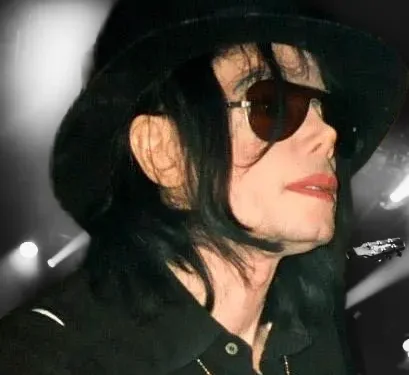
In a testament to the enduring power of musical legacy, Michael Jackson has reclaimed the top spot on Forbes’ annual list of highest-earning deceased celebrities for 2025, amassing $105 million in pre-tax earnings over the past year. This marks the third consecutive year the King of Pop has dominated the rankings, with his estate generating a staggering $3.5 billion in total revenue since his death on June 25, 2009—far surpassing any other icon in the quarter-century history of Forbes’ tracking. Over the 25 years since the list’s inception in 2001, Jackson’s posthumous haul underscores a phenomenon where death not only fails to dim a star’s shine but amplifies it through strategic licensing, timeless hits, and global entertainment ventures.
Jackson’s ascent to this unparalleled financial afterlife began amid tragedy and financial turmoil. At the time of his passing at age 50, the pop superstar was burdened with an estimated $500 million in debt, accrued from lavish spending on his Neverland Ranch, legal battles, and loans against his vast music catalog. His executors, attorney John Branca and music executive John McClain, inherited a portfolio teetering on collapse, including a 50% stake in Sony/ATV Music Publishing—a joint venture with Sony that encompassed not just Jackson’s masters but also half of the Beatles’ catalog, valued at billions. What followed was a masterclass in estate management, transforming liabilities into assets through shrewd deals that have paid off handsomely for his heirs: mother Katherine Jackson and children Prince, Paris, and Blanket (now known as Bigi).
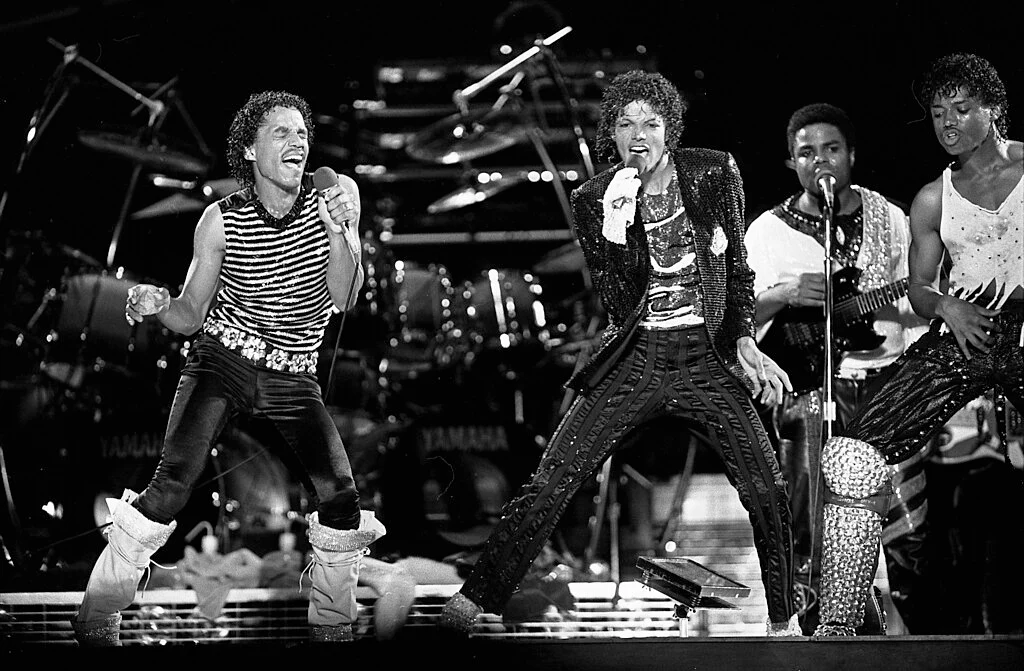
The cornerstone of Jackson’s earnings empire remains his music catalog, a goldmine of over 750 million albums sold worldwide in his lifetime, with posthumous streams and sales adding tens of millions annually. In 2024, the estate sold a 50% stake in his master recordings and publishing rights to Sony for $600 million, a transaction that not only provided immediate liquidity but renegotiated royalty rates to grant the estate a larger slice of global profits—ensuring sustained income from platforms like Spotify and Apple Music. Hits like Thriller, which alone has sold over70 million copies, continue to generate royalties through sync licenses for films, ads, and video games. The album’s 16-minute short film for the title track revolutionized MTV and pop culture, and its enduring appeal—fueled by viral TikTok challenges and anniversary re-releases—keeps it relevant for Gen Z audiences. Jackson’s groundbreaking 1984 Victory Tour with his brothers, which grossed $75 million and drew over 2 million fans across North America, further cemented his live-performance prowess, laying the foundation for the posthumous spectacle-driven revenue that defines his estate today.
Beyond streaming, Jackson’s intellectual property fuels a diverse revenue stream. Merchandising deals with brands like Supreme and Off-White have minted millions, blending his iconic red Thriller jacket with streetwear aesthetics. Slot machines themed around his life, launched in casinos worldwide, draw fans eager to spin for jackpots while reliving “Beat It.” But the real spectacle lies in live entertainment. The 2009 concert film This Is It, pieced together from rehearsals for his ill-fated 50-show London residency, grossed $267 million at the box office, kickstarting a wave of tributes. This paved the way for Cirque du Soleil’s Michael Jackson: The Immortal World Tour in 2012, which raked in $160 million and became that year’s top-grossing tour—outpacing living artists like Madonna.
That momentum evolved into Michael Jackson ONE, a Las Vegas residency at Mandalay Bay that surpassed 5,000 performances in 2025 and was extended through 2030, blending acrobatics with his discography to enchant audiences nightly. On Broadway, MJ: The Musical, which premiered in 2022, has grossed nearly $300 million across five global productions, with projections for even higher returns as it tours internationally. These shows not only celebrate Jackson’s choreography and moonwalk but also humanize his story, drawing in theatergoers who might otherwise stream his music at home. Looking ahead, the 2026 biopic Michael, starring his nephew Jaafar Jackson, promises another earnings surge, with Lionsgate anticipating box office hauls akin to Bohemian Rhapsody‘s $900 million windfall for Queen.
Jackson’s dominance creates a chasm in the rankings. Second place goes to Dr. Seuss (Theodor Geisel) with $87 million, largely from book sales and Universal’s theme park expansions. Pink Floyd co-founders Richard Wright and Syd Barrett tie for third at $81 million each, boosted by catalog sales amid a rock revival. The Notorious B.I.G. rounds out the top five with earnings from hip-hop merchandise and samples in modern tracks. Elvis Presley, the original list-topper in 2001 with over $1.2 billion total, sits at seventh with $17 million—impressive, yet dwarfed by his former son-in-law’s figures. Musicians claim ten of the top 13 spots, collectively earning $541 million, highlighting music’s outsized role in postmortem prosperity compared to authors or athletes like Kobe Bryant ($10 million).
This disparity isn’t accidental; it’s the result of proactive stewardship. Branca and McClain, armed with broad powers from Jackson’s 2002 will, navigated IRS disputes that once valued the estate at $482 million against their $5.1 million claim, ultimately settling in the estate’s favor at $111.5 million in 2021. They’ve fended off lawsuits, including a $100 million bid against HBO over the 2019 Leaving Neverland documentary, and expanded into NFTs and virtual concerts—early experiments that now yield digital royalties.
Yet, not all is harmonious. In July 2025, Paris Jackson objected to the estate’s legal fee requests, citing “irregular payments” and unrecorded attorney hours, urging transparency before approvals. This family friction echoes broader debates: Does commercializing a troubled icon risk tarnishing his art? Jackson’s life, marked by child molestation acquittals in 2005 and posthumous allegations, casts shadows over his triumphs. Still, fans and executors argue his music transcends scandal, as evidenced by sold-out shows and billions in streams.
Economically, Jackson’s model influences the industry. Estates like Prince’s ($11 million in 2025) and Bob Marley’s ($13 million) follow suit with catalog sales and experiential IP. For living artists, it underscores the value of owning masters—a lesson Taylor Swift and Kanye West have learned the hard way. In an era of AI deepfakes and metaverse holograms, Jackson’s blueprint suggests endless reinvention: Imagine a virtual Thriller concert in 2030, drawing millions.
Jackson’s $3.5 billion over 25 years isn’t just numbers; it’s a cultural force. From Motown prodigy to global phenomenon, his beats united generations, breaking racial barriers on MTV and inspiring K-pop stars like BTS. Posthumously, that unity translates to dollars, proving art’s immortality. As Branca told Forbes, “It’s MJ, then an enormous canyon, then everybody else.” In 2025, the King of Pop reigns supreme, his glove-clad hand forever raised in victory.
The broader implications ripple through entertainment law and philanthropy. Jackson’s will funnels 20% of earnings to his Heal the World Foundation, supporting children’s causes—a poignant counter to his personal controversies. His estate’s success has funded scholarships and disaster relief, quietly amplifying his humanitarian ethos. For heirs, it secures dynastic wealth: Prince and Paris pursue music and modeling, while Bigi studies AI, all buffered by this fortune.
Critics might decry the commodification, but data speaks volumes. Streaming alone contributed $50 million in 2025, per estate filings, with spikes during Halloween for Thriller marathons. International markets, from Japan’s fan clubs to Brazil’s carnival tributes, sustain demand. As the biopic nears, expect another peak—perhaps pushing totals toward $4 billion.
In reflecting on Jackson’s ledger, one sees not just commerce but alchemy: turning grief into gold, scandal into spectacle. Sixteen years gone, his voice echoes in boardrooms and bedrooms alike, a reminder that true legends don’t fade—they franchise. Forbes’ list, now in its silver anniversary, crowns him eternal: the highest-paid dead celebrity, bar none.

